
The 50-share NSE Nifty ended up 37.05 points, or 0.36 per cent, at 10,397.45 points

Blind spots of the company were two-fold - managing cash flow and investments to upgrade technology and continue research and development.

This surpassed its previous record close of 29,974.24, reached on April 5.

Analysts now expect India Inc to report a decline in both top line and bottom line for the September quarter.

April policy could be all about RBI communication.

Despite a strong start to trade today, key benchmark indices retreated sharply from their higher levels following bouts of profit-taking amid fresh weakness in the rupee against the dollar.

While capital appreciation is better, paying regular dividend indicates that the company is making profits and is rewarding investors.

Metal stocks fell on Tuesday, with the S&P BSE metal index sliding 2.8 per cent compared to the 0.64 per cent fall in the benchmark S&P BSE Sensex

The 30-share Sensex ended down 297 points at 27,438 and the 50-share Nifty closed 93 points lower at 8,305.

Ten Indian states contribute a lion's share of 95% or Rs 12.25 lakh crore.

In an online chat with readers on August 10, Vidya Bala, Vidya Bala, head of mutual fund research at FundsIndia, answered their queries. For hose who missed the chat, here is the transcript.

Currently, only three have completed more than six months of operation in the space - Fino Payments Bank, Airtel Payments Bank and Paytm

Ajit Mishra, vice president, Research, Religare Broking, answers readers' queries on stocks they own or want to buy. Here are his replies to some of the 'buy, sell, hold, avoid or exit?' e-mails that we have received.

According to market experts, GST Bill, movement of the rupee and uncertain global cues amid expected rate cut by the US Fed will dictate the movement of the markets.

The 30-share Sensex ended up 204 points at 27,215 and the 50-share Nifty ended up 59 points at 8,238.

An expectation of tax sops in Budget, weakness of dollar and robust tax collection are adding positive sentiment

The Reserve Bank of India held its policy rate at 7.25 percent on Tuesday.

One of the reasons for the failure, say industry experts and financial analysts, is that Emami strayed too far from its core with sanitary napkins.

HDFC Bank has ensured that no bank will be able to match them in the near future without bleeding on margins.

It's also important to understand the rationale behind choosing particular stocks and when to sell.

Experts tell Ujjval Jauhari that investors need to be careful in picking stocks given high valuations and with markets possibly ignoring potential risks

A glance back at some of the important ups and down Indian Inc faced in 2018.

Surprisingly, RIL scrip also fell by 2.73 per cent to 1,029.15, becoming the second biggest loser in the index
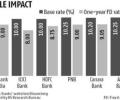
Lending rates in certain segments may be increased; fixed depositors may lock into existing rates.

The appeals came against orders of the Central Information Commissioner in various cases.

Index heavyweights were the top losers along with bank shares.

At 11:37 am, the S&P BSE Sensex was up 28 points at 27,037 and the Nifty50 was up 2 points at 8,268

The Sensex ended lower on unfavourable cues.

Experts feel select companies in banking, automobiles, financial services & real estate will gain from lower interest rates

The final agriculture GDP numbers for 2016-17 are expected to be revised up, as rabi production is looking really good.

Nifty, which has struggled around 8550-8560 levels managed to blast past this resistance and close above the psychological mark of 8600.

'Making the railways better is a different type of a challenge.'

Jaitley's Budget has the potential to change the face of Modi's Bharat

The fund industry may have embraced machines and robots, but managing money still needs the human touch

China's economy is in transition, with rising wage costs and massive overcapacity.

Some banks might charge you a nominal amount of Rs 100-150 for issuing the card.

'The Budget has maintained fiscal prudence while announcing a number of steps to boost growth, particularly in infrastructure and rural sectors.'

Women have been leaving the investment decision to husbands.
